
How to Become a More Eco-Friendly Small Business
A changing trend is present in consumer demand and producer supply.
If you've been keeping up with business trends, you’ll notice a growing shift toward sustainability, both in the demand from customers to the supply side from producers. More companies, including many eco-friendly small businesses, recognize the need to adopt sustainable practices and have shifted their packaging, materials, and even marketing materials to reflect consumer demand. While some changes are genuine, driven by a commitment to a healthier planet and fairer society, others are superficial or fleeting attempts to jump on the sustainability bandwagon. In this blog, I want to speak directly to those companies that are truly committed to transforming their operations into more socially and environmentally conscious practices.
Read on for ways you as a business owner (if that describes you) can become more eco-friendly as a brand and create a bigger impact in your community.
Why Sustainable Business Practices Matter
Starting an eco-business is both challenging and incredibly rewarding. As we’ve developed our eco-marketing company, we’ve gained invaluable insights into how to weave sustainability into every aspect of a business. For us, it’s not about chasing trends; it’s about creating a meaningful impact that aligns with our core values while driving growth. By championing sustainable practices, we have stayed true to our mission and attracted customers who care about the impact of their choices.
This commitment to sustainability is something we practice daily and often discuss with the businesses we partner with. Many of our clients come to us seeking guidance on integrating sustainability more effectively into their operations. We specialize in crafting strategies and solutions that help companies connect with their communities, while progressing toward more sustainable practices.
A Deeper Dive: Extended Producer Responsibility (EPR) and Individual Producer Responsibility (IPR)
A key part of sustainable business practices involves understanding and implementing Extended Producer Responsibility (EPR)and Individual Producer Responsibility (IPR). EPR is a policy approach where producers are given significant responsibility—financial and/or physical—for the treatment or disposal of post-consumer products. On the other hand, IPR assigns individual accountability to manufacturers for the lifecycle of their products, from design to end-of-life disposal.
By adopting EPR and IPR practices, businesses can reduce waste, encourage recycling, and drive innovation in sustainable product design. It's a proactive way to minimize your environmental footprint and align your business with a growing consumer demand for eco-friendly products. Understanding and implementing these policies paints your brand in a completely different picture to your customers and can have a significant impact on your community- think less total waste created, more repeat customers, cost savings associated with reusing packaging, etc.
Here are some sustainable, actionable steps your business can take:
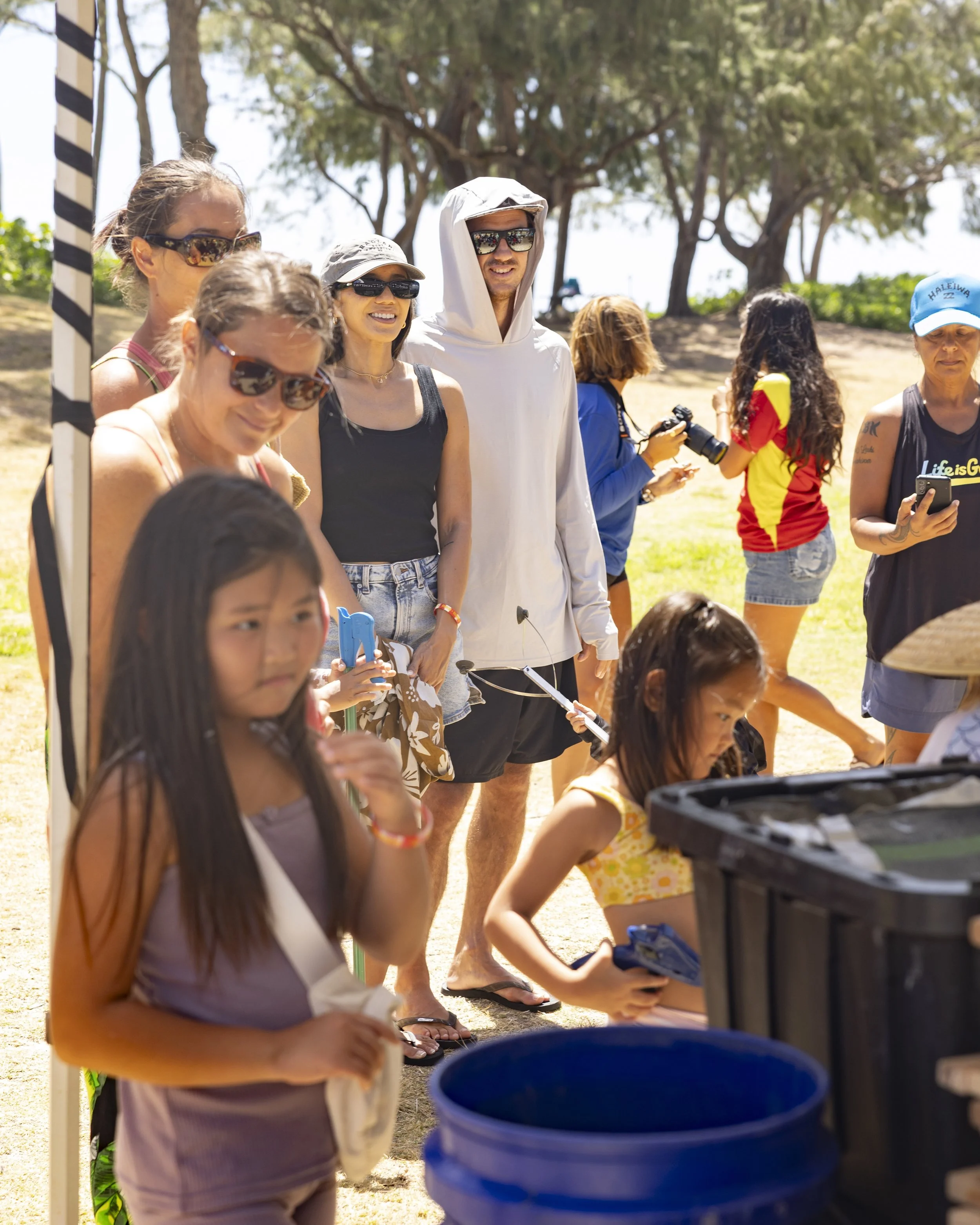
PlanIt Branding co-hosted its first Keiki & Kai event with Nalu Health Bar, Future Swell, and Kailua Beach Adventures in June 2026
Host a Community Cleanup Event: Create community engagement by organizing a beach cleanup event and inviting your customers and employees to participate. This not only helps the environment but also builds stronger relationships with your audience through shared values and collective action. It’s also a chance to collaborate with like-minded brands in your community to increase content opportunities, social collaborations, activity potential, and even prize incentives for participants. You can partner with and/or join organizations that host beach clean-ups already, like Sustainable Coastlines Hawaii or Eco Mermaid Conservation. If you want to be the host of one and are looking for a nonprofit to partner with, consider the Oahu-based nonprofit, Global Preservation Initiative.
PlanIt Branding works with our clients, as well as other local businesses and nonprofits, to co-host at least 2 beach clean-up events per year! We love these opportunities to bring brands and customers together and sprinkle in things like free breakfast or a free yoga class to increase participation!
Don’t live near a beach? Park cleanups are just as valuable! These community staples are heavily used by families and pets and often don’t get the attention they deserve- plus they are close to home and might impact your participants even more!
Partner with Environmental Organizations: Align your business with groups like One Tree Planted. Offer your customers the chance to plant a tree with every purchase, showing them that their support makes a direct impact on the environment. Be sure to check out some of our other favorite options to partner with, like the Surfrider Foundation, Rainforest Alliance, and Water.Org. Partnering with local nonprofits that deal with local issues can often be the most beneficial. You can do special promotions based on holidays or times of year- since as the partnership we set up between Nalu Health Bar and Kuleana Coral, where a portion of all ahi sandwich and wrap sales went to coral conservation for the entirety of World Ocean Month!
Adopt Sustainable Practices Across the Board: Evaluate all aspects of your business—from packaging to manufacturing—and make sustainability a core part of your operations. (Quick tip: Opt for biodegradable packaging whenever possible, and when that's not feasible, choose reusable materials.) Better yet, can you reassess how much packaging you are using in general and the necessity of each component? Let’s decrease the total amount prior to just switching the materials! Refillable and reusable is always the best bet! Check out the company NoIssue as an option for our eco-packaging solution needs. If containers are what you need, check with Sustainable Island Products for alternative options!
Embrace Secondhand Shopping: Need new equipment, furniture, or supplies? Consider buying secondhand or refurbished items to reduce waste and conserve resources. This not only helps the planet but can also be more cost-effective for your business. We love using tools like Facebook Marketplace and Craigslist to find equipment. You can always pop into your local thrift shop as well; one of our favorites is Platos Closet! Do a quick search on Google, YouTube, or Pinterest first to gather some inspiration before shopping. If you're not finding what you need, consider hosting a clothing & furniture swap in your neighborhood as a community event! It’s pretty neat when you can save money and help the planet at the same time!
Support Local Organizations: Donating unused supplies to local charities or community groups helps reduce waste and strengthens your connection to your community. Encourage your customers to participate, amplifying your positive impact. Reuse Hawaii is a great resource for used and unused supplies; you can also look here to find a list of other places that take used supplies and clothing. If you simply want to donate funds to a local charity, you can go here to find a local charity or search by impact! Think of different organizations that might need certain things- such as an animal shelter, which is often in need of old blankets and towels! Look for places to donate that are not-for-profit. There are even Buy Nothing groups you can look at and post, or even post on Next Door for people to come grab things and save yourself a trip! The best condition that item is going to be in is when it’s still in your house, so you’re doing a greater service to your neighbors by posting on Facebook or Next Door that you have free items than by donating it in a massive bin with tons of other things at a donation center.
Host a Documentary Night: Organize events that engage and educate your audience. Feature powerful documentaries highlighting environmental and social issues, and follow up with discussions or Q&A sessions to foster deeper connections and understanding. Some of our favorite documentaries about climate action are 'I Am Greta' and 'An Inconvenient Sequel: Truth to Power'.
By implementing these strategies, you’re not just adopting sustainable practices—you’re building a brand that stands for something meaningful. Remember, real change comes from a genuine commitment to doing better. Start small, think big, and let your dedication to sustainability shine through in everything you do.
